
Lunch Box Food Safety

Whether it's off to school or work, millions of Americans carry bagged
lunches. Here are some tips for making sure your food is still safe to eat at lunchtime.
Keep Your Food Preparation Area Clean
Before beginning to pack lunches, make sure to wash your hands with soap and warm water for 20 seconds. Wash cutting boards, dishes, utensils, and countertops with hot, soapy water after preparing each food item and before you go on to the next item. A solution of 1 tablespoon of unscented, liquid chlorine bleach in 1 gallon of water may be used to sanitize surfaces and utensils. Keep family pets away from kitchen counters.
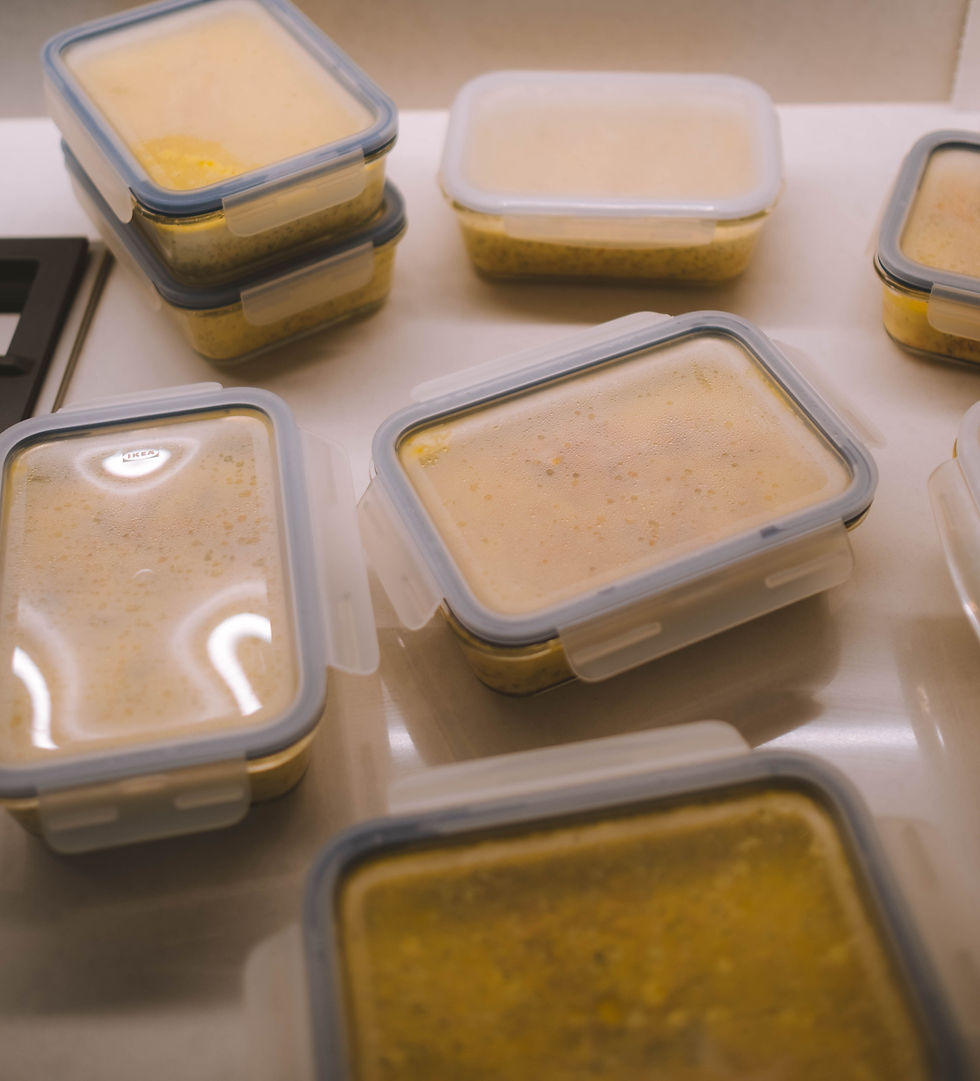
Pack the Food in a Clean Container
Food safety isn't just about the food. The lunch bag itself can harbor dangerous bacteria if not cleaned regularly. Throwing away any trash and food scraps during lunch time will help keep the lunch bag or box from developing odors or growing bacteria. Don’t reuse sandwich bags. Choose a lunch box or bag that is easy to clean. When you return home and empty your bag or box, wipe the insides with hot soapy water, and let it air dry so that it is ready for the next day.
Choose Foods That Don’t Need To Be Kept Cold or Hot
Safe foods to pack for room temperature transport include bread, crackers, bagels, fresh fruit (except cut melon), dried fruit, juice boxes, water, raw vegetables like carrots, celery, cucumber, or cherry tomatoes, hard cheese, pickles, pretzels, pudding cups, cookies, cereal bars, granola bars, nuts, or peanut butter and jelly sandwiches (depending on school policy regarding nuts/peanuts).

Keep Perishable Foods Cold
Perishable (refrigerated) foods brought from home won't stay safe long without a way of keeping them cold. Harmful bacteria multiply rapidly in the "Danger Zone" — the temperatures between 40°F and 135°F. However, if they are kept cold until lunchtime, perishable foods, including meat, poultry, fish, tofu, cooked vegetables, pasta, rice, eggs, and dairy products (milk, soft and semi-soft cheese, and yogurt), can be kept safe. Here are some recommendations to prevent perishable foods from causing foodborne illness.
Prepare the food the night before and then refrigerate it
Use an insulated lunchbox or bag to pack your lunch in the morning
Pack at least two cold sources with perishable food. You can use frozen bottles of water,
frozen juice boxes, or frozen gel packs (not smaller than 5x3-inches each)
Strategically pack your lunch by placing the most perishable foods closest to the cold
sources.
Pack just the amount of perishable food that can be eaten at lunchtime. That way, there won't be a problem about the storage or safety of leftovers.
Discard all leftover perishable foods.

WASH Your Hands Before You Eat
Remember to wash your hands before eating. If there are no facilities nearby, when packing your lunch, remember to add some hand wipes so you can clean your hands before and after eating.


I recently visited YesSmile and it was honestly one of the best dental experiences I've ever had in Dubai. The staff is incredibly professional, warm, and made me feel completely at ease from the moment I walked in. The clinic is modern, clean, and equipped with the latest technology. Whether you need a routine checkup or a complete smile makeover, YesSmile is the place to go. Highly recommended to anyone looking for top-quality dental care in Dubai.
This article offers essential lunch box food safety tips for healthy eating on the go. Clean prep areas, proper food storage, and hand hygiene are crucial. Including naturally custom printed egg boxes adds an eco-friendly, organized touch to your lunch routine perfect for safely storing boiled eggs or other perishables in style and sustainability.